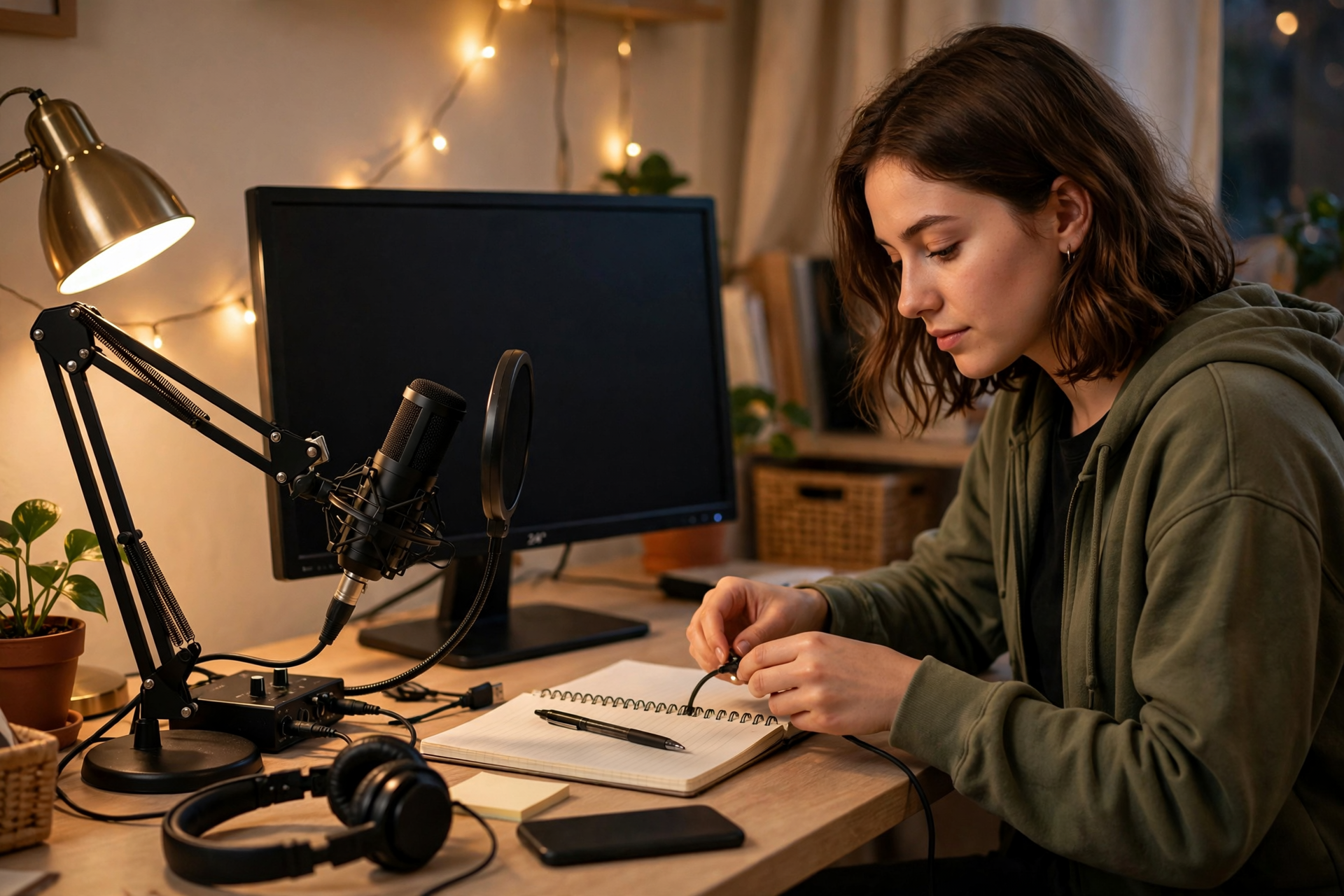
Your first Kick stream does not need to look like a finished television production. It needs to give viewers a clear reason to stay, give you enough structure to avoid awkward gaps, and leave you with useful lessons for the next broadcast. Treat the stream as a pilot episode: focused, achievable, and designed to teach you what works.
Choose One Clear Promise for the Stream
Start by finishing this sentence: “On my first stream, viewers will watch me…” The answer should describe one experience, not your entire personality or every skill you have. Examples include completing the opening missions of a game, reviewing budget creator gear, drawing viewer suggestions, or explaining how you approach a challenge.
A narrow promise makes your title, category, opening remarks, and conversation easier to align. Before committing, check whether the selected Kick category accurately reflects what you will actually do. Avoid promising a tournament, marathon, or elaborate challenge unless you already have the time and resources to deliver it.
Build a Format You Can Control
For a first broadcast, choose a format with a predictable beginning, middle, and end. A 60-to-90-minute session is often easier to manage than an open-ended live marathon. You might spend the first 10 minutes setting the scene, the next 40 minutes on the main activity, and the final 10 minutes wrapping up and explaining what comes next.
Limit the number of moving parts. One game, one topic, or one creative task is usually enough. If your idea requires several guests, complicated overlays, multiple scenes, or a long list of planned segments, remove anything that does not directly improve the viewer experience. Simplicity gives you more attention for conversation and recovery when something goes wrong.
Write a Lightweight Run of Show
Create a short outline rather than a word-for-word script. Include your opening line, the first action viewers will see, two or three transition points, and a closing sentence. Add rough time markers so you know when to move forward, but treat them as guidance instead of strict deadlines.
Prepare a few comments for predictable quiet moments. You could explain your current decision, compare two options, describe what you are trying to improve, or share the next milestone. These notes should help you keep momentum without making the broadcast sound rehearsed. Keep them beside your monitor where you can glance at them without losing focus.
Prepare Easy Ways for Viewers to Join In
Do not assume a new viewer knows how to enter the conversation. Offer questions with a low effort answer, such as choosing between two options, predicting an outcome, or naming a favorite game mechanic. Specific prompts are easier to answer than “How is everyone doing?” and they give quiet viewers a way to participate without having to introduce themselves.
Plan interaction around the content instead of interrupting it every few seconds. For example, ask for suggestions before a round, collect opinions during a break, or let chat choose between two next steps. Acknowledge responses by repeating the viewer’s idea and explaining what you will do with it. That makes participation feel connected to the show rather than added on as an obligation.
Make a First-Stream Contingency Plan
Write down what you will do if the main activity fails. Have a second game mode, discussion topic, short demonstration, or prepared Q&A ready to fill ten minutes. If you are streaming gameplay, know how to move to a menu or backup title without leaving viewers staring at a silent screen.
Also decide how you will handle common personal interruptions. Keep water nearby, silence nonessential notifications, and place a simple note on your door if appropriate. If you lose your train of thought, describe what happened and return to the next item on your outline. Calmly narrating a small recovery usually feels more professional than pretending nothing went wrong.
Give Viewers a Reason to Return
End with a specific next step rather than a vague “I may stream again sometime.” Tell viewers what you plan to continue, when you expect to be live next, or what decision will carry into the next episode. If your availability is still uncertain, publish only a realistic expectation and update it once you know more. A dependable Kick streaming schedule is more useful than an ambitious promise you cannot keep.
After the broadcast, write down three observations while they are fresh: where the format felt strongest, where momentum dropped, and what viewers responded to. Use those notes to adjust the next show’s structure, not to judge your personality or compare your debut with established channels. The goal of a first stream is to create a workable starting point and a clearer second episode.
Ready to run viewers, chatters, or followers from one dashboard?
View pricing